Project Volume Calculator
Enter measurements to get an instant estimate. No sign-up needed.
Geometric volume plus any chosen allowance
Illustrative bulk gravel density; aggregate gradation, moisture and compaction affect actual weights. Allowances and costs are estimates; verify supplier units and field conditions.
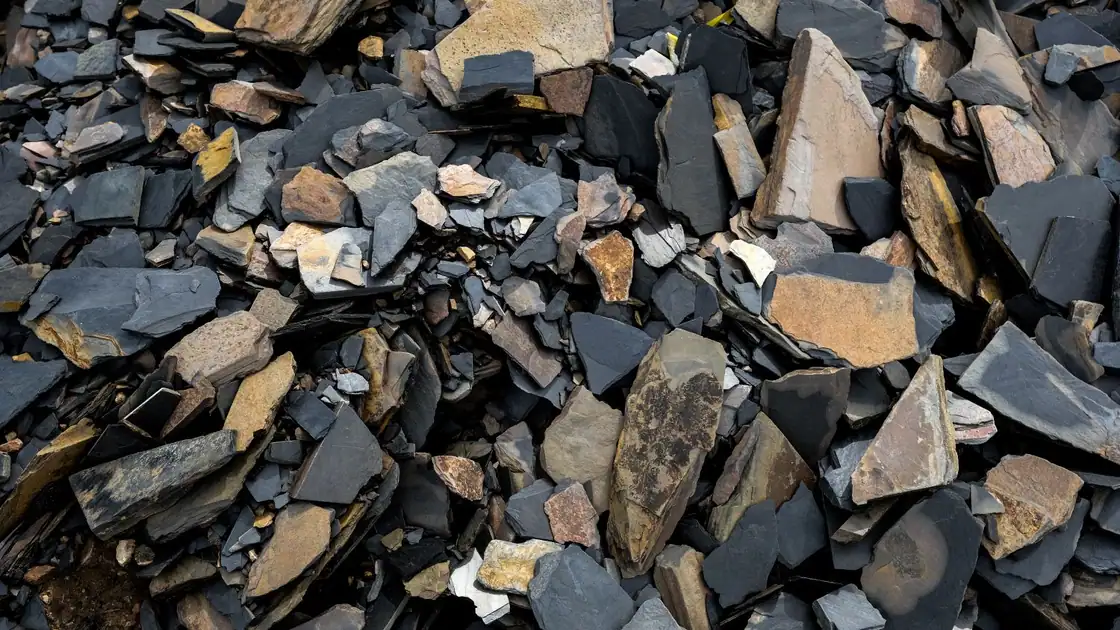
Gravel takeoff scenarios for different surfaces
These examples distinguish volume calculation from aggregate selection. They do not prescribe a suitable base thickness or material for every site.
Straight driveway
720 sq ft × 4 in ÷ 324. Confirm whether the 4-inch requirement describes finished compacted thickness.
Walking path
105 sq ft × 3 in ÷ 324. An open-graded path stone may behave differently from dense-graded base.
Drainage strip
100 sq ft × 8 in ÷ 324. Verify that the chosen clean aggregate is appropriate for the drainage design.
Which gravel or crushed-stone product is suitable?
Volume alone cannot establish whether a product will compact, drain or remain stable under traffic.
| Situation | Method or material | Verify before purchasing |
|---|---|---|
| Compacted driveway base | Specified dense-graded aggregate | Gradation, lift thickness, drainage and required compaction |
| Free-draining stone layer | Specified clean/open-graded stone | Void space, separator fabric, surrounding soils and outlet |
| Decorative walk or bed | Selected pea gravel, river rock or angular chip | Walking comfort, containment and stability |
| Supplier quotes in tons | Cubic yards × product-specific short tons/yd³ | Density measured in the correct loose or compacted state |
How to calculate gravel for a driveway or path
Start with the actual area being covered, not the length of the road alone. Measure driveway length and average width in feet. Multiply by the required finished gravel depth in inches and divide by 324 to find cubic yards. A 40 × 10-foot drive covered 4 inches deep has 40 × 10 × 4 ÷ 324 = 4.94 yd³ of installed geometric volume.
If your driveway widens at the garage, has turnouts or includes a curved apron, split it into sections. Calculate each footprint and layer depth separately; then add the quantities. The result is a useful volume check, but it does not automatically say how many tons or loose truckloads you should purchase.
Gravel coverage chart by depth
The chart shows the mathematical amount of gravel needed to cover 100 square feet at uniform thickness. Use it for comparing design scenarios only: decorative stone, compacted base and drainage aggregate have different recommended applications. A thicker layer requires proportionally more volume, regardless of the stone's mass.
| Finished depth | Cubic yards | Cubic feet |
|---|---|---|
| 2 | 0.62 yd³ | 16.67 ft³ |
| 3 | 0.93 yd³ | 25 ft³ |
| 4 | 1.23 yd³ | 33.33 ft³ |
| 6 | 1.85 yd³ | 50 ft³ |
| 8 | 2.47 yd³ | 66.67 ft³ |
These are calculated layer volumes, not instructions to use a particular depth for a driveway.
Choosing gravel type: crushed stone, base or drainage aggregate
Products sold as gravel are not necessarily interchangeable. Dense-graded crushed aggregate contains a range of particle sizes and finer material intended to compact into a stable base. Open-graded, clean stone has larger voids and may be selected where drainage is the priority. Decorative pea gravel or river rock has a different surface feel and is often unsuitable as a substitute for a specified load-bearing base.
The Federal Highway Administration's granular-base guidance ↗ distinguishes the properties and gradation of base and subbase materials. Before ordering, confirm nominal stone size, gradation, fines, compaction and drainage requirements with the project plans or supplier. A generic volume calculator cannot choose the correct aggregate product.
- Dense-graded base: selected for a compacted support layer when specified.
- Clean drainage stone: typically chosen for permeability and drainage applications.
- Pea gravel or decorative rock: often used for surface appearance and landscape beds.
- Crushed stone versus natural gravel: particle shape and grading may affect compaction and stability.
Cubic yards to tons: what does a yard of gravel weigh?
A cubic yard is volume; a US short ton is 2,000 pounds of weight. Gravel weight depends on bulk density, which varies with rock type, particle grading, moisture and the volume state being measured. The calculator uses an editable illustrative default, not a verified density for the stone in your truck.
To estimate short tons, multiply cubic yards by short tons per cubic yard. With an example factor of 1.4 short tons per cubic yard, a 4.94-yard layer would be approximately 6.92 short tons. If your supplier quotes a density in pounds per cubic foot, multiply that density by 27 cubic feet and divide by 2,000 to obtain short tons per cubic yard.
For a weight-focused workflow, use our cubic yards to tons calculator and replace any default with the supplier's bulk-density information.
Loose versus compacted gravel: two volumes, not one
Your project drawing may specify a compacted finished thickness, but a truck can deliver loose aggregate. Compaction reduces void space, so the loose volume required to achieve a specified compacted volume may differ. The correct relationship depends on the actual aggregate gradation, moisture and placement method; there is no scientifically valid fixed allowance for every gravel type.
A loose-to-compacted factor should come from product test data or project requirements. It may be expressed through dry density, compaction specifications or verified past placement yields. An extra-percentage field on a calculator is only a scenario input. Do not assume it reproduces a Proctor test, field density measurement or engineering specification.
Example: gravel driveway quoted by the ton
Suppose a driveway has a geometric installed requirement of 4.94 yd³. Your supplier provides a product-specific bulk density of 1.45 short tons per cubic yard for the relevant material state. Multiplying 4.94 × 1.45 gives roughly 7.16 short tons for that stated density and volume, before any further project adjustment.
If the supplier sells by the ton, ask whether the density represents loose or compacted material, and verify the final thickness requirement. If the quotation is by cubic yard, confirm whether the load volume is measured loose. Either way, supplier product information is more useful than a generic online conversion.
Measuring irregular gravel areas and multiple layers
A long path may be easiest to measure as several rectangles. A circular landscape bed needs π × radius² for area before applying depth. If one part of the site requires a 2-inch decorative topping and another needs a 6-inch base, calculate and order those materials separately rather than using one blended quantity.
Subgrade shape, rutting and elevation changes can create pockets that need additional aggregate. For significant grading, use measured elevations or cross-sections. Simply multiplying the footprint by a guessed average depth can produce a misleading delivery estimate when a surface is uneven.
Gravel delivery, truckloads and price estimates
Stone delivery can be limited by legal truck payload weight as well as the truck bed's nominal cubic-yard capacity. A truck advertised as holding several cubic yards may not haul that volume of dense stone without exceeding its allowable load. Confirm actual payload and the number of trips with the hauler instead of assuming capacity from bed size alone.
For an illustrative cost comparison, multiply the quoted number of short tons by the price per short ton, or the quoted cubic yards by price per cubic yard. Then include delivery, minimum-load charges and any spreading or compaction service. Check whether suppliers use US short tons, not metric tonnes, before comparing numbers.
Gravel ordering checklist and common errors
Before buying, verify the project footprint, finish grade, planned depth for each layer, aggregate type, supplier unit and how material density is defined. Distinguish purchased delivery volume from finished installed volume. For base and pavement work, the specification for grading and compaction is more important than maximizing the number shown by a generic calculator.
Common errors include treating pea gravel as a substitute for crushed base, assuming every cubic yard weighs the same, ignoring a wider driveway apron, and using a compacted-depth calculation as if it directly described loose truck capacity. When you need only a basic volume conversion, see square feet to cubic yards.
Frequently Asked Questions
How many cubic yards of gravel do I need for a 100-square-foot area?
At 2 inches deep, about 0.62 yd³; at 3 inches, about 0.93 yd³; at 4 inches, about 1.23 yd³. These are geometric finished-layer volumes and do not include loose-to-compacted adjustment.
How much gravel for a 10 × 20 driveway at 4 inches?
The area is 200 sq ft. Multiply by 4 inches, divide by 324, and the geometric volume is about 2.47 cubic yards. Confirm the layer depth and aggregate product before ordering.
How many tons of gravel are in five cubic yards?
It depends on bulk density. At an illustrative 1.4 US short tons per cubic yard, 5 yd³ weighs about 7 short tons. Supplier-specific weight is preferable.
What is the difference between gravel and crushed stone base?
Gravel is a broad category. Dense-graded crushed base typically includes a controlled mix of sizes and fines for compaction, while clean or decorative stone may serve other purposes. Use the specified aggregate, not just a matching volume.
Should I add gravel for compaction?
A compacted finished thickness may require more loose delivered volume, but the factor depends on the material and field conditions. Ask the supplier or project specialist for the applicable conversion.
Can the calculator estimate pea gravel?
Yes, it can calculate geometric volume for pea gravel. Weight and installation suitability differ from crushed stone, so use the selected product's density and application requirements.
How many yards of gravel will fit in a dump truck?
There is no universal amount. A truck is limited by both bed volume and allowable load weight. Determine the gravel density and ask the hauler for legal payload and practical delivery capacity.
Does more gravel always mean better driveway drainage?
No. Drainage depends on grading, subgrade, aggregate gradation and site design. A deeper layer of the wrong product may not correct a drainage problem.
Relevant Calculators and Guides
Choose a related resource when your next question needs a different measurement, material or purchasing method.