Everything from understanding a cubic yard to estimating specialist material quantities, buying bags, checking delivery loads and interpreting earthwork measurements. Find a focused guide and use the linked calculator to plan your project.
17 detailed resourcesMaterial-specific examplesClear limitations and sources
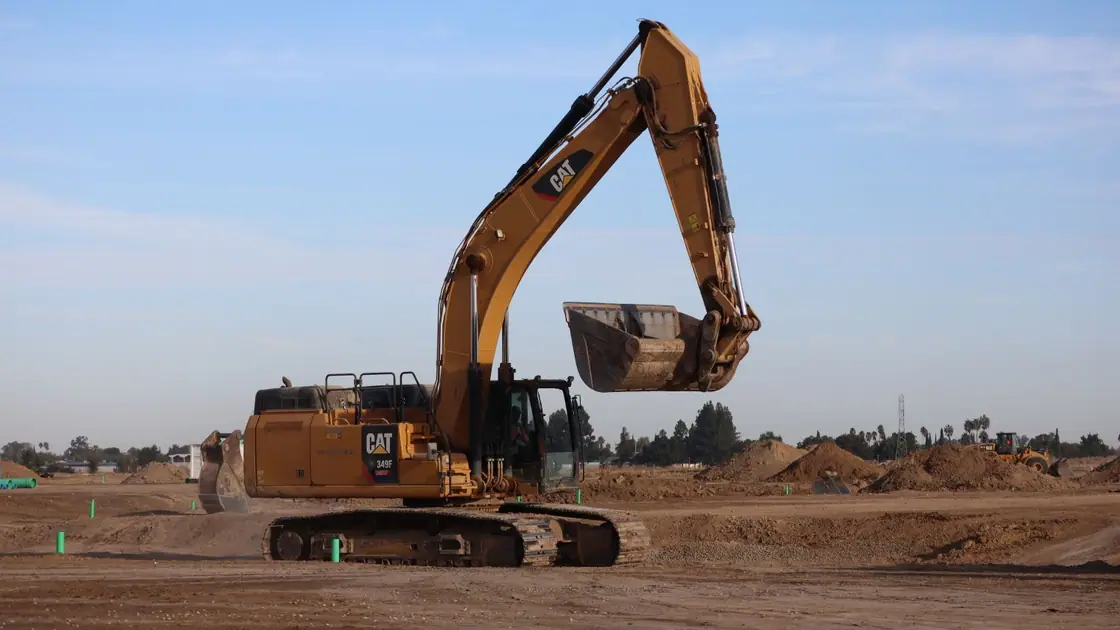
Planning and measurement reference photograph from Pexels.
TOPICALLY ORGANIZED RESOURCE LIBRARY
Browse all guides and calculators
Each page has a distinct purpose. The main homepage calculator answers generic volume questions, while these resources focus on specific measurements, materials, purchasing and project planning.
One cubic yard always occupies 27 cubic feet, but its weight depends on what fills the space. This guide explains bulk density, moisture, the difference between US short tons and metric tonnes, and how to make a defensible estimate using supplier information.
A lower price per cubic yard does not always mean bulk material is cheaper after delivery, and a low bag price can conceal a small package volume. This guide compares like-for-like amounts while accounting for whole bags, transportation, quality and access.
Many real projects are not perfect rectangles. A curving mulch bed, trapezoidal walkway or sloped excavated area needs more thoughtful measurements than a single length multiplied by width. This guide explains how to divide the footprint, handle openings and preserve the correct depth.
The words yard, square yard and cubic yard describe different dimensions, even though they share a name. This guide explains how the units relate, why they cannot be substituted directly and which measurements a project estimator needs.
A bank cubic yard dug from the ground, a loose cubic yard in a stockpile and a compacted cubic yard in finished fill describe different bulk states. Understanding swell and shrinkage prevents incorrect truckload estimates and unverified backfill orders.
A good cubic-yard estimate is only the beginning of a successful material delivery. This guide helps homeowners and project managers turn geometry into a usable order by confirming product specifications, weight limits, access, unloading location and billing units.
Convert a bulk cubic-yard requirement into a purchasable number of bags using the package's actual volume or mixed yield. This is especially useful when comparing mulch, compost, potting mix and concrete, but the correct label to use differs by product.
Compare cubic-yard material quotes without confusing the unit price with the final delivered cost. This guide separates material volume, supplier minimums, extra allowances, delivery charges and taxes so you can understand where a quote comes from.
Cubic inches are useful for small boxes, molds and precise component dimensions, while cubic yards appear in bulk material estimates. The units can be converted exactly without using material density or an approximate construction factor.
Estimate the cubic yards of sand for paver bedding, leveling or specified backfill without confusing the required layer volume with sand weight, grain size or supplier delivery units. This guide treats those decisions separately.
Decorative rock is usually ordered by the volume of the layer or by the weight of a specific stone. This guide shows how to calculate garden-bed coverage while accounting for stone size, irregular borders, voids and the difference between loose and installed material.
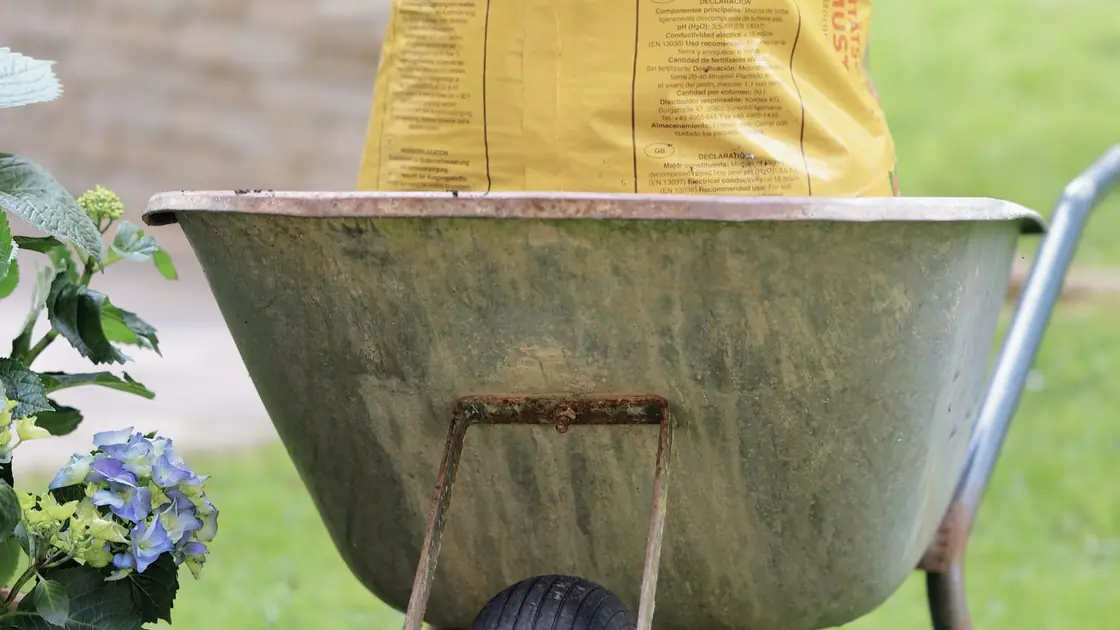
Compost quantity planning begins with garden area and the amount of amendment you intend to add. Unlike fill dirt, compost is selected for its effect on soil and plants; the right depth depends on garden history, product quality and soil testing, not merely on cubic-yard coverage.
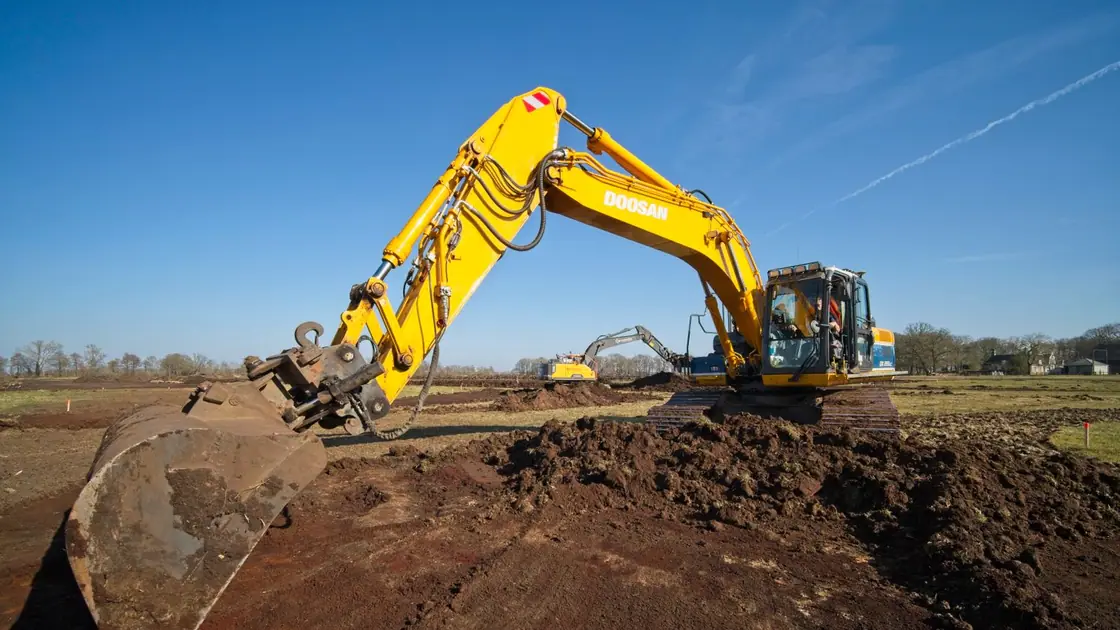
Excavation projects use cubic yards, but the volume in undisturbed ground may not match the loose material carried away by a truck or the compacted material placed back in a trench. This calculator separates the geometric in-place volume from an optional user-provided swell ratio.
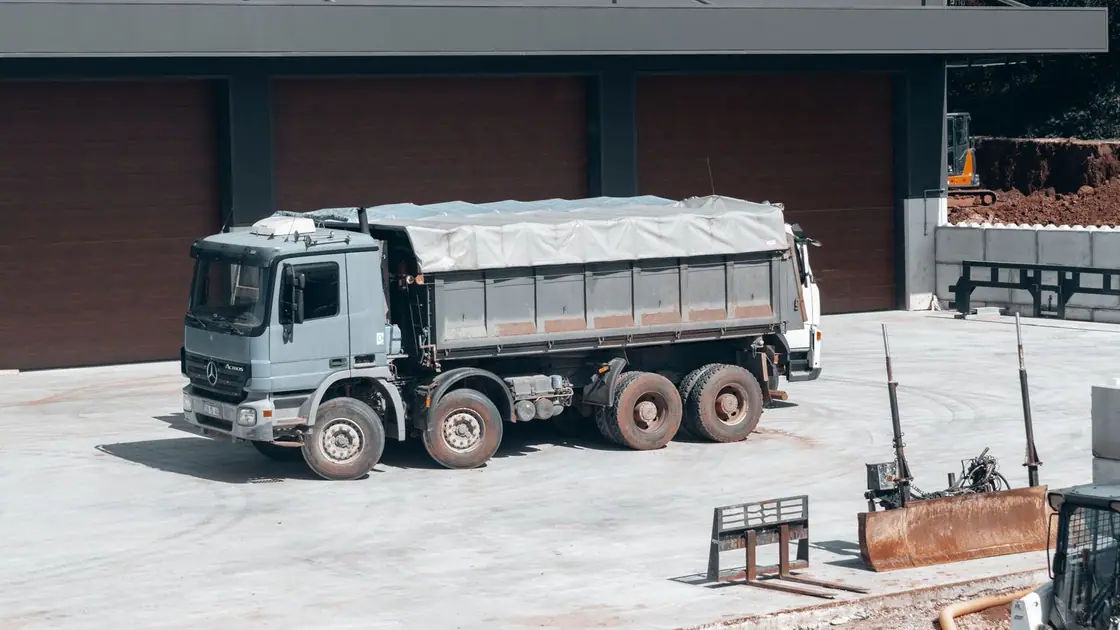
A dump truck can be limited by bed volume, payload weight or job-site access. This calculator checks both the entered cubic-yard bed capacity and the entered short-ton payload limit, then estimates the number of trips for a specified material density.
The words yard, square yard and cubic yard describe different dimensions, even though they share a name. This guide explains how the units relate, why they cannot be substituted directly and which measurements a project estimator needs.
Many real projects are not perfect rectangles. A curving mulch bed, trapezoidal walkway or sloped excavated area needs more thoughtful measurements than a single length multiplied by width. This guide explains how to divide the footprint, handle openings and preserve the correct depth.
Converters & Bag Estimates
Use exact unit formulas, package volume or actual density to compare quantities.
Convert a bulk cubic-yard requirement into a purchasable number of bags using the package's actual volume or mixed yield. This is especially useful when comparing mulch, compost, potting mix and concrete, but the correct label to use differs by product.
Cubic inches are useful for small boxes, molds and precise component dimensions, while cubic yards appear in bulk material estimates. The units can be converted exactly without using material density or an approximate construction factor.
Compare cubic-yard material quotes without confusing the unit price with the final delivered cost. This guide separates material volume, supplier minimums, extra allowances, delivery charges and taxes so you can understand where a quote comes from.
Material Calculator Guides
Different products need different depth, ordering and suitability assumptions.
Estimate the cubic yards of sand for paver bedding, leveling or specified backfill without confusing the required layer volume with sand weight, grain size or supplier delivery units. This guide treats those decisions separately.
Decorative rock is usually ordered by the volume of the layer or by the weight of a specific stone. This guide shows how to calculate garden-bed coverage while accounting for stone size, irregular borders, voids and the difference between loose and installed material.
Compost quantity planning begins with garden area and the amount of amendment you intend to add. Unlike fill dirt, compost is selected for its effect on soil and plants; the right depth depends on garden history, product quality and soil testing, not merely on cubic-yard coverage.
Buying, Delivery & Earthwork
Learn how weight, access, soil states and supplier pricing change real purchases.
One cubic yard always occupies 27 cubic feet, but its weight depends on what fills the space. This guide explains bulk density, moisture, the difference between US short tons and metric tonnes, and how to make a defensible estimate using supplier information.
A lower price per cubic yard does not always mean bulk material is cheaper after delivery, and a low bag price can conceal a small package volume. This guide compares like-for-like amounts while accounting for whole bags, transportation, quality and access.
A bank cubic yard dug from the ground, a loose cubic yard in a stockpile and a compacted cubic yard in finished fill describe different bulk states. Understanding swell and shrinkage prevents incorrect truckload estimates and unverified backfill orders.
A good cubic-yard estimate is only the beginning of a successful material delivery. This guide helps homeowners and project managers turn geometry into a usable order by confirming product specifications, weight limits, access, unloading location and billing units.
Excavation projects use cubic yards, but the volume in undisturbed ground may not match the loose material carried away by a truck or the compacted material placed back in a trench. This calculator separates the geometric in-place volume from an optional user-provided swell ratio.
A dump truck can be limited by bed volume, payload weight or job-site access. This calculator checks both the entered cubic-yard bed capacity and the entered short-ton payload limit, then estimates the number of trips for a specified material density.